

Cataract Assessment in Bristol
If your vision has become cloudy, blurred or increasingly affected by glare, book a cataract assessment in Bristol with Goldsmith & Harvey. Our experienced optometrists can examine your eyesight and eye health, discuss how any changes are affecting daily life and explain the appropriate next steps. When signs of cataracts are identified and further care is needed, we can arrange a referral to an eye specialist.


Professional Cataract Assessments in Bristol
A cataract develops when the natural lens inside the eye becomes cloudy. This can gradually reduce the amount and quality of light reaching the retina, causing changes to vision. Cataracts are particularly common as people get older, although they can occur at other ages and may be associated with factors such as an eye injury, certain medicines or other health conditions.
Cataract symptoms often develop slowly, which can make them easy to overlook. A professional assessment can help determine whether your changing vision may be related to a cataract, an outdated prescription or another eye health concern.
Goldsmith & Harvey provides thorough eye examinations in Bristol from our practice inside Asda Longwell Green. We will explain our findings clearly and advise whether monitoring, updated glasses or referral for specialist assessment should be considered.
Common Signs of Cataracts
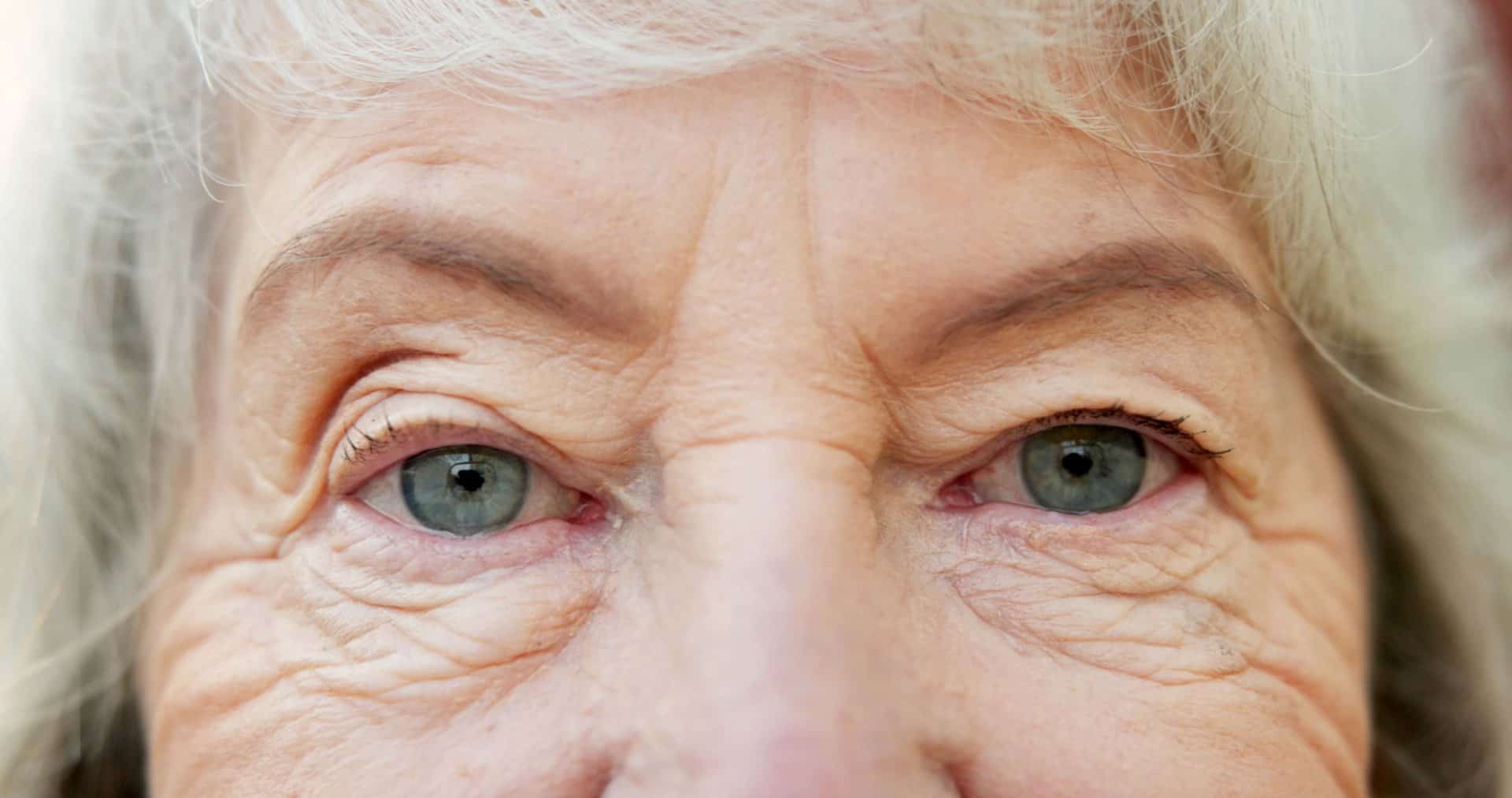
Cataracts do not always produce obvious symptoms in their early stages. As the clouding develops, you may notice that your vision appears misty, blurred or less detailed than it once did. Colours can seem faded and reading may become more difficult, even when you are wearing your usual glasses.
Bright lights may feel uncomfortable, while headlights and streetlights can produce increased glare or halos. Some people also find night driving more challenging or need their glasses prescription changed more frequently than expected.
These symptoms should not be self-diagnosed because several eye conditions can cause similar changes. The NHS advises seeing an optician when you have symptoms of cataracts. A proper examination allows an optometrist to assess your vision, look at the health of your eyes and decide whether further investigation is required.
What Happens During a Cataract Assessment?
Your appointment begins with a discussion about your symptoms, general health, current glasses and any difficulties you are experiencing. It is helpful to explain how the changes affect activities such as reading, driving, working, watching television or recognising faces.
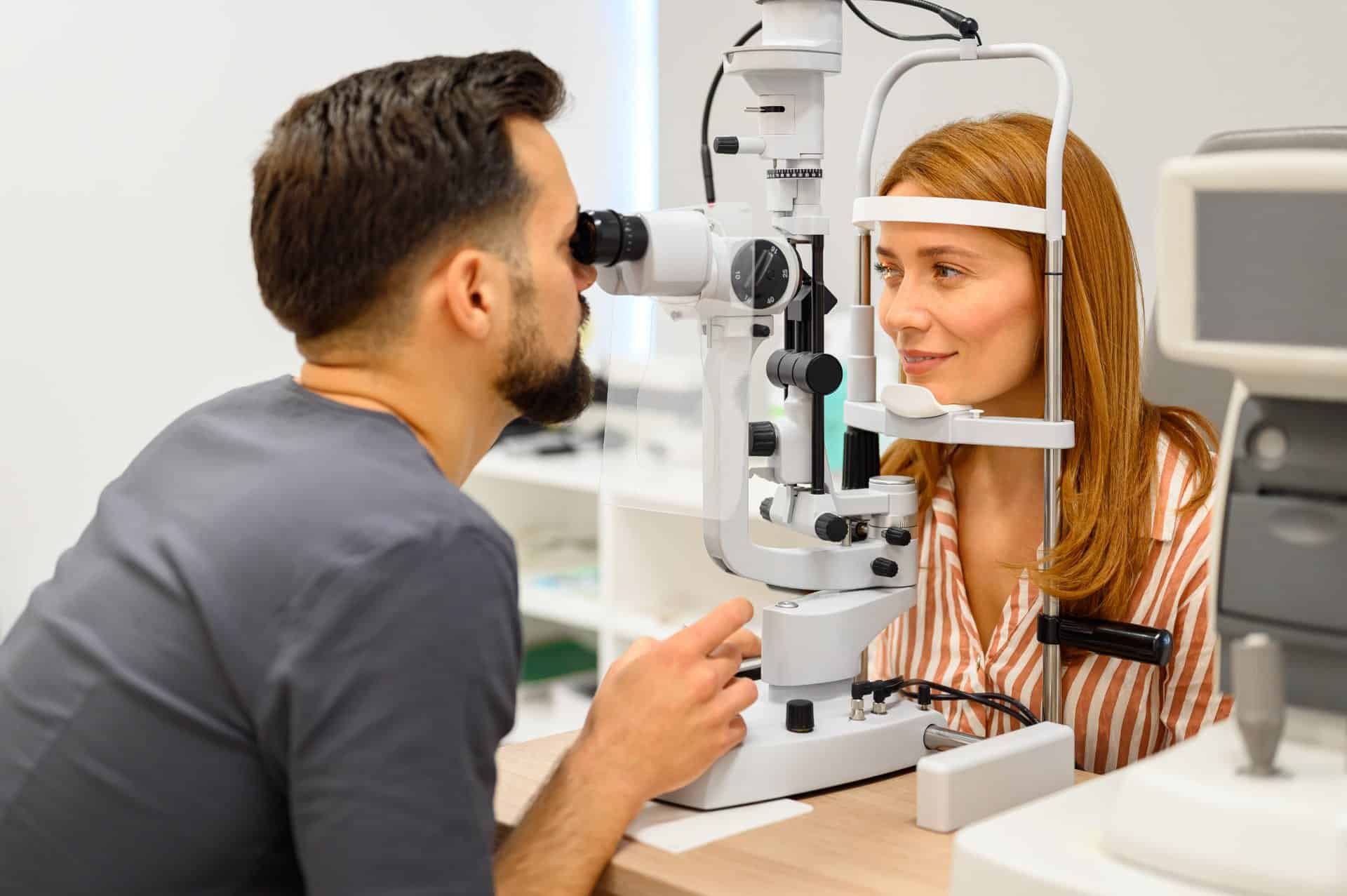
The optometrist will assess your visual acuity and check whether changing your prescription improves your sight. Your eyes will also be examined for signs of lens clouding and other conditions that could be contributing to your symptoms. Additional tests may be selected according to your individual clinical needs.
Goldsmith & Harvey also has access to retinal photography and OCT imaging. These technologies provide useful information about structures at the back of the eye and can help the optometrist assess whether other eye health changes are present. We will discuss the results with you and answer any questions before recommending the next step.
Why Choose Goldsmith & Harvey?
Our Bristol opticians combine professional clinical care with a friendly, personalised service. We take the time to understand how changes to your sight are affecting you rather than focusing only on figures from an eye chart.
Accessible Bristol Location
Our practice is inside Asda Longwell Green and has access to free on-site parking.
Clear Referral Advice
We explain our findings and arrange further assessment when a referral is required.
Free Parking Onsite
Free on-site parking within the car park in Asda.
Hundreds Of Reviews
We pride ourselves in great service and customer experience.
Cataract Monitoring and Continuing Eye Care
Because cataracts often progress gradually, regular reviews may be recommended when they are not yet significantly affecting daily life. Monitoring allows changes in vision and eye health to be recorded over time.
You should arrange an earlier appointment if your eyesight changes noticeably between routine examinations. Sudden loss of vision, significant eye pain, a sudden increase in flashes or floaters, or a dark shadow across your vision should not be treated as routine cataract symptoms and may require urgent eye care.
Goldsmith & Harvey offers ongoing eye care in Bristol for adults with a variety of visual and eye health concerns. If you are uncertain about the urgency of a symptom, contact the practice and explain what you are experiencing so the team can advise you appropriately.
Book an appointment for a cataract assessment in Bristol at our Longwell Green practice.

Frequently Asked Questions
These answers provide general information about cataract assessments. Your optometrist will give advice based on your own symptoms and examination findings.
A cataract is clouding of the natural lens inside the eye. The lens is normally clear and helps focus light so that you can see a sharp image. As it becomes cloudy, vision can appear blurred, misty or faded. Cataracts often develop slowly and are particularly common in older adults. They may affect both eyes, although the severity and rate of progression can differ. Cataracts are not a film growing over the surface of the eye and cannot be removed with drops or ordinary glasses.
Common symptoms include blurred or cloudy vision, increased sensitivity to light, glare around headlights, difficulty seeing at night and colours appearing less vivid. You may also notice that your glasses prescription changes more frequently. These symptoms do not confirm that you have a cataract because other eye conditions can cause similar problems. The appropriate way to find out is to have your eyes examined by an optometrist. They can assess the natural lens, check your prescription and look for other possible causes of the change.
Not necessarily. Cataracts do not always need treatment as soon as they are identified. If your symptoms are mild, an updated glasses prescription, improved lighting and regular monitoring may be appropriate for a period. Surgery is generally considered when a cataract is having a meaningful effect on everyday activities or quality of life. If referral is suitable, an eye specialist will assess your condition and discuss the potential benefits and risks so that you can make an informed decision about treatment.
When our optometrist identifies signs of cataracts and considers further assessment appropriate, we can explain the available referral route and arrange referral to an eye care provider. The specialist service will then determine whether surgery or another course of action is suitable. Referral recommendations are based on your examination results, symptoms, general health and the effect your vision is having on daily life. Cataract surgery itself is performed by an ophthalmic surgeon and is not carried out at the Goldsmith & Harvey practice.
New glasses may improve your vision during the earlier stages of a cataract, particularly if your prescription has also changed. However, glasses cannot remove or reverse the clouding of the eye’s natural lens. As a cataract progresses, changing the prescription may provide less improvement. Our optometrist can check whether new lenses are likely to help and discuss other ways to manage glare or reading difficulty. If eyewear is no longer providing sufficient improvement, referral for a specialist opinion may be considered.
The appropriate review period depends on the severity of the cataract, your symptoms and your wider eye health. Some people can continue with their usual routine eye examination schedule, while others may be advised to return sooner. You should not wait for a planned appointment if your vision changes significantly or you develop new symptoms. Your optometrist will explain when your next assessment should take place and whether there are any particular changes that should prompt you to seek advice earlier.